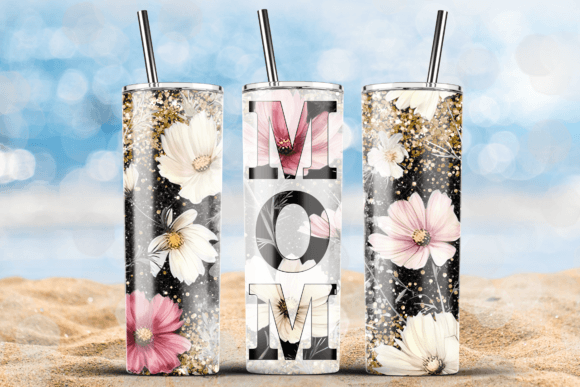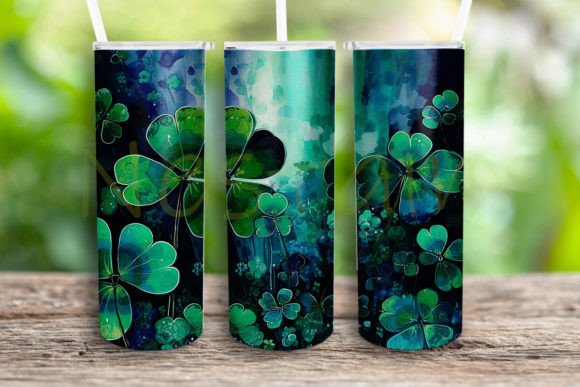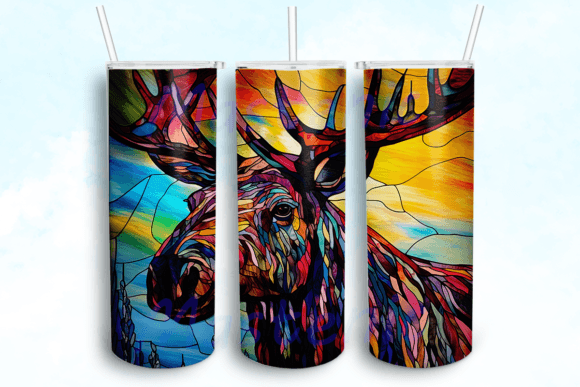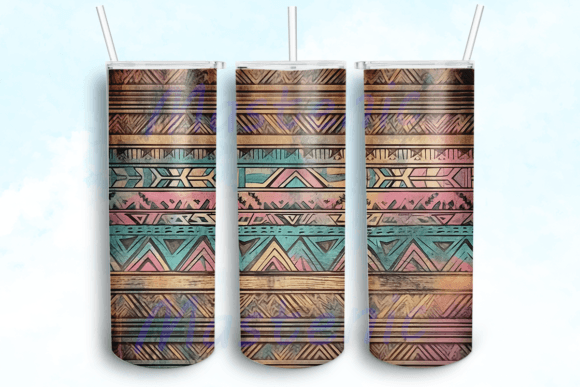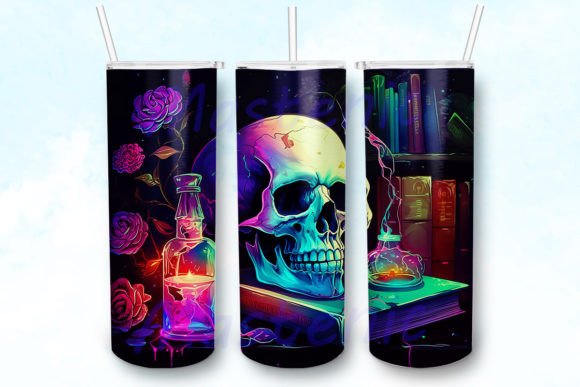
Magical Witchy Potions 20oz Tumbler PNG
As a designer who’s stitched hundreds of custom projects—from boutique baby onesies to Etsy best-selling tote bags—I opened Magical Witchy Potions 20oz Tumbler PNG expecting whimsy, but what stood out immediately was its quiet intentionality. It doesn’t shout “witchy.” Instead, it leans into soft mysticism: delicate potion bottles with swirling labels, subtle botanical accents, and gentle curves that suggest ritual without rigidity. At 9.3 x 8.2 inches, it’s sized for a 20oz skinny tumbler—but in embroidery terms, that translates to a generous, confident footprint perfect for center-chest sweatshirt placements or full-front apron panels.
First Impressions: Mood Meets Practicality
The design breathes like handmade ink—not over-rendered, not overly pixelated. The tapered and straight PNG files give real flexibility: the tapered version hugs curved surfaces (think baseball caps or contoured pillow covers), while the straight version anchors cleanly on flat textiles like tea towels or canvas totes. There’s no watermark, no forced transparency artifacts—just clean edges and balanced negative space. That matters when you’re digitizing for embroidery. Less cleanup means fewer stitch errors, tighter satin stitch wraps around bottle necks, and smoother transitions between fill and outline elements.
Where It Shines (and Where It Asks for Care)
I tested Magical Witchy Potions 20oz Tumbler PNG as the centerpiece for a limited-run embroidered apron collection—intended for indie apothecary shops and herbalist gift boxes. On midweight cotton twill with tear-away + cut-away stabilizer? Gorgeous. The potion labels held crispness, the tiny star motifs read clearly at 3–4mm height, and the overall composition felt intentional—not busy, not sparse.
But here’s where experience kicks in: this design isn’t ideal for ultra-fine applications. Avoid it on newborn onesies (the scale overwhelms delicate fabric), stretchy performance knits (distortion risk on curved bottle shapes), or dense, nubby textures like bouclé or heavy linen—weave gaps can swallow fine outlines. On dark fabrics, test thread contrast early: light sage or dusty mauve threads pop beautifully, but pale gold or silver may vanish without underlay or background fill.
Real-World Fit Across Your Craft Business
- Custom apparel: Works exceptionally well on crewneck sweatshirts and relaxed-fit tees—especially when placed slightly lower than center chest for modern proportion.
- Tote bag design: A natural anchor point. Stitched large on natural canvas, it reads as artisanal—not graphic—and pairs effortlessly with hand-stamped care tags.
- Baby embroidery & nursery decor: Use selectively—best on crib bumper alternatives or oversized pillow covers, not swaddles. Prioritize soft, low-density fill stitches to maintain drape.
- Holiday embroidery & personalized gifts: Perfect for Yule-themed kitchen towels or “Witch’s Brew” mugs (embroidered on mug sleeves). Feels festive without cliché.
- Embroidered patch: Digitize with tight satin borders and minimal fill density—it scales down cleanly to 3.5” patches for jackets or backpacks.
- Etsy seller & small shop product: Bundles beautifully with matching printable labels and herbal tea blends. Customers recognize the cohesion—it builds trust in your brand’s aesthetic consistency.
What This Design Says About Your Finished Product
When customers see Magical Witchy Potions 20oz Tumbler PNG stitched cleanly on a garment or home good, they don’t just register “witchy.” They register care: careful placement, thoughtful thread selection, respect for fabric behavior. That perception elevates perceived value—especially in handmade markets where buyers pay premiums for authenticity. It also reinforces professionalism: consistent sizing, legible details, and balanced visual weight tell clients you understand both design *and* execution.
Practical Embroidery Designer Notes
- Always run a test stitch on scrap fabric matching your final substrate—especially for curved placements like caps or tapered pillow fronts.
- Check stitch density before scaling. If digitizing from scratch, reduce fill density by 15% on lightweight cottons to prevent stiffness.
- Confirm hoop size compatibility. At this scale, a 5x7” hoop is minimum; 6x10” gives comfortable margin for re-hooping if needed.
- Inspect small details in black-and-white mockups—some subtle gradients may flatten in thread; adjust outline weight accordingly.
- Use proper stabilizer: medium-weight cut-away for knits, tear-away + light cut-away for wovens, and water-soluble top film for dense satin areas like bottle labels.
- Review licensing before commercial use—even though this is a Graphics listing for Crafts, verify whether resale of finished embroidered items is permitted under the original terms.
- For digital product sellers: pair this file with realistic printable mockups (tote, sweatshirt, tumbler sleeve) to show context—not just isolated PNGs.
In short, Magical Witchy Potions 20oz Tumbler PNG isn’t just another witchy graphic. It’s a considered design asset—one that supports storytelling, scales thoughtfully, and invites craftsmanship rather than demanding perfection. Whether you're stitching a single personalized gift or building a cohesive craft business line, it earns its place in your embroidery project toolkit—not because it’s trendy, but because it works.