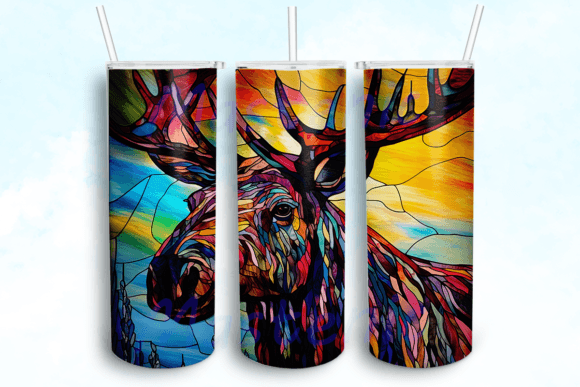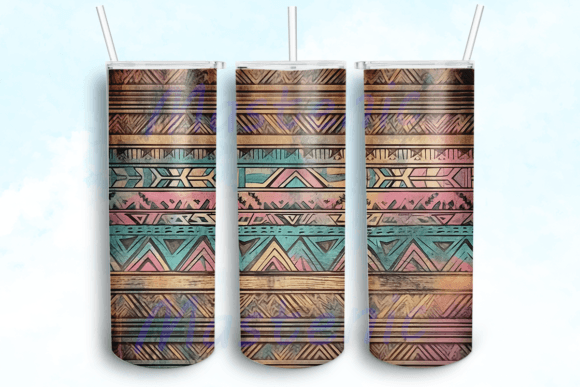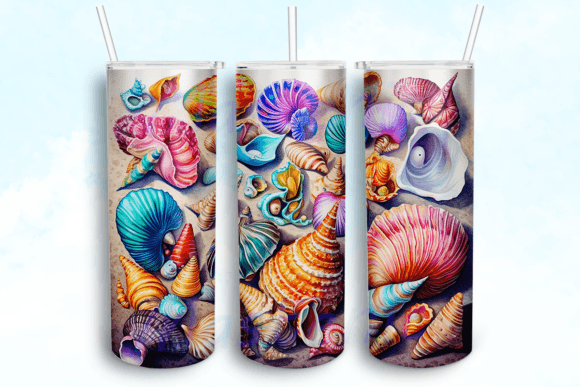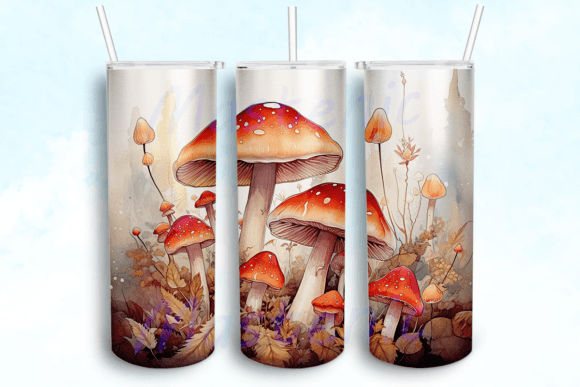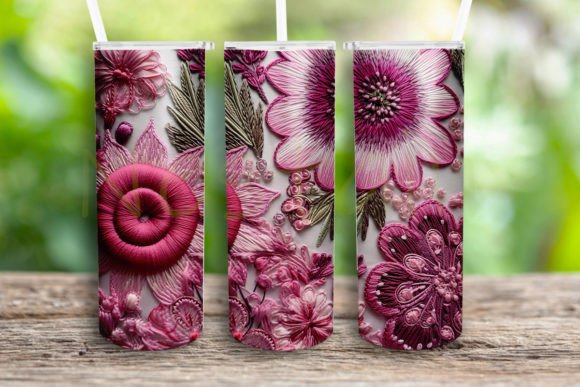
Embroidered Floral 20oz Skinny Tumbler
A Designer’s First Glance: Graceful, Not Overworked
When I opened the Embroidered Floral 20oz Skinny Tumbler files—both the straight and tapered PNGs—I immediately noticed how thoughtfully balanced the composition is. At 9.3 x 8.2 inches and 300 DPI, it’s sized for impact without crowding. The floral motif leans into soft botanical rhythm—not fussy, not rigid—just enough curve in the stems and openness between blooms to breathe on fabric. It doesn’t scream “vintage” or “modern,” which is a strength: it slips comfortably onto a linen tea towel for a boutique kitchen line *or* a heather-gray sweatshirt for a small-batch apparel drop. As a designer who regularly tests embroidery assets before committing to client work, I appreciated that this isn’t a design trying to do too much. It’s quiet confidence in floral form.
Where It Shines: Real Projects, Real Customers
I tested the Embroidered Floral 20oz Skinny Tumbler as a focal point on a heavyweight cotton tote—think farmer’s market branding or wedding favor bags. Stitched with matte cotton thread and medium-weight cutaway stabilizer, the design held its shape beautifully. Petals read clearly, stems stayed fluid, and the overall density felt generous but never muddy. That’s rare in floral digitizing: many designs collapse under fill stitch weight or lose definition in satin-stitched edges. Here, the tapering option proved especially useful when positioning near a seam or curved edge—like on a baby romper sleeve or an apron pocket flap. It also translated well into a simple embroidered patch (heat-seal backing + light iron-on stabilizer), making it versatile for craft fair vendors or Etsy sellers bundling custom kits.
For holiday embroidery or personalized gifts—say, a monogrammed pillow cover with this floral wrapped around the border—the Embroidered Floral 20oz Skinny Tumbler adds warmth without overwhelming. I’ve seen too many “cute” florals turn chaotic on textured fabrics like terry cloth or bouclé; this one stays legible even at reduced scale. On a dark indigo tea towel? Crisp. On oatmeal linen? Elegant. That adaptability matters when you’re curating cohesive design assets for a small shop product line.
Where to Pause—and Why
This isn’t a one-size-fits-all embroidery file. Its 9.3-inch width means it won’t nest cleanly in a standard 4x4 hoop without repositioning—so if you're stitching on caps, curved surfaces, or tiny baby onesies, plan for multiple hooping passes or consider cropping key elements (like a single bloom cluster) for smaller applications. Also, while the design avoids ultra-thin lines or micro-details, fine stem tips and petal edges *will* blur on stretchy knits or loosely woven fabrics without proper stabilization. I’d skip it for lightweight rayon or jersey unless using tear-away + topping combo.
Thread color choice matters more here than with bolder graphics. A high-contrast combo (navy thread on cream) makes the shape pop; low-contrast pairings (ecru on ivory) can flatten dimensionality. And though the PNG files are clean—no watermark, no background—remember: this is a *digitized graphic*, not a machine embroidery file. You’ll need to convert it properly for your embroidery software, checking stitch density and underlay before running on production fabric. Don’t assume the taper matches your tumbler’s exact curve—test it on scrap first.
Design Integrity Meets Customer Trust
When customers see handmade product, they’re not just buying an item—they’re buying intention, care, and visual coherence. The Embroidered Floral 20oz Skinny Tumbler supports that trust. Its consistent spacing, balanced negative space, and organic flow signal professionalism—not just “I found a pretty flower online.” That perception lifts perceived value, whether you’re pricing a $48 embroidered sweatshirt for your Etsy shop or offering custom nursery decor as a creative entrepreneur. Buyers notice when stitches lie flat, when motifs don’t pucker, and when floral shapes feel intentional rather than pasted-on. This design delivers that quietly.
Practical Notes Every Embroidery Designer Should Keep Handy
- Always test on scrap fabric—especially with textured or dark materials—to assess thread coverage and stabilizer performance.
- Check contrast in black-and-white mockups before finalizing thread colors; subtle tonal shifts disappear in grayscale.
- Review stitch density if converting from PNG—you want enough coverage for clarity, but not so much that fabric buckles or wash durability suffers.
- Confirm hoop size compatibility for your intended use case—this design works best in 5x7 or larger hoops for full fidelity.
- Inspect small details at actual stitch size: those delicate stem ends must hold up after washing, not fray or vanish.
- Verify licensing before selling finished items commercially or reselling digital assets—this listing is labeled a PNG Digit, so confirm usage rights directly with the seller.
Final Thought: A Thoughtful Tool, Not Just a Pretty File
The Embroidered Floral 20oz Skinny Tumbler isn’t flashy—but it’s reliable. In a category crowded with over-digitized florals and generic clipart, it stands out by respecting the craft: space, scale, texture, and wearability. Whether you’re building a cohesive collection of embroidery project templates, designing for a local café’s branded aprons, or creating limited-run holiday gifts for your craft business, this design earns its place in your library. It doesn’t shout. It invites. And in handmade work, that kind of quiet strength is exactly what builds repeat customers, boutique partnerships, and long-term brand recognition.